100% Reliable Roof Repairs in Succasunna NJ for Every Season
A roof in Succasunna has to do more than simply keep rain out. It has to stand up to January ice, March wind, July humidity, and the hard temperature swings that make roofing materials expand and contract all year long. That is why reliable roof work is never just about patching a visible leak. It is about understanding how local weather stresses a home, how different roofing systems age, and when a small repair can still prevent a major replacement.
Homeowners often call for help after they notice water on a ceiling, a stain near a chimney, or shingles in the yard after a storm. By then, the roof has usually been signaling trouble for a while. A lifted tab, a failed pipe boot, flashing that has started to separate, or ice that backed water under the shingles can all develop quietly before the damage becomes obvious indoors. In my experience, the most effective Roof Repairs are the ones handled early, with a clear eye on both the immediate issue and the conditions that caused it.
Succasunna homes vary quite a bit. Some neighborhoods have older houses with aging plywood decking and original flashing details that were common decades ago. Others have Roof Repairs Succasunna NJ newer roofs that look fine from the street but develop issues around penetrations or valleys because those areas always wear faster than broad open runs. A dependable repair approach takes those differences seriously. There is no single fix that works on every roof, and that is exactly where professional judgment matters.
What “reliable” really means in roof repair
A lot of homeowners hear promises about permanent fixes, fast service, or low pricing. Those phrases sound reassuring, but they do not tell you much. Reliable roof repair is more specific than that. It means the technician identifies the actual entry point of water, not just the spot where the stain appeared. It means damaged materials are replaced with matching products where possible, flashing is addressed instead of ignored, and the repair is built to handle the next season, not merely the next rainfall.
Water is deceptive. A leak near a bedroom wall may start ten or fifteen feet upslope. It can travel along rafters, soak insulation, and emerge at the path of least resistance. That is why a rushed patch with roofing cement often disappoints homeowners. It may slow the leak briefly, but if the real problem is a cracked vent boot, step flashing failure, or nail pops under aging shingles, the issue comes right back.
Reliable Roof Repairs Succasunna NJ homeowners can count on usually share three traits. First, the diagnosis is careful. Second, the materials and repair method suit the roof’s age and design. Third, the work is timed with weather and moisture conditions in mind, because roofing done on wet decking or in poor installation conditions can create another set of problems.
Why Succasunna roofs take a beating
Northern New Jersey is not gentle on roofs. Freeze thaw cycles are especially hard on shingles, flashing, sealants, and exposed fasteners. Water finds a tiny gap, freezes overnight, expands, and gradually widens the opening. Over a few seasons, a minor weakness turns into a recurring leak. Add snow loads, wind driven rain, and the occasional severe summer storm, and it becomes obvious why roof repairs here need to be built for durability.
Winter creates one of the most misunderstood threats, ice dams. When attic heat escapes and warms the roof unevenly, snow melts higher up and refreezes at the eaves. That ridge of ice traps water behind it. Once trapped, the water can push up beneath shingles and enter the house. A homeowner may think the roof failed across a large area, when in reality the deeper issue includes ventilation, insulation, and drainage patterns.
Spring has its own risks. Heavy rains expose weak flashing around skylights, dormers, chimneys, and valleys. Gutters clogged with maple seeds or winter debris can overflow and soak fascia boards. Summer tends to reveal ventilation issues, blistering, and accelerated shingle aging on sun baked roof planes. Fall is often the season when hidden vulnerabilities show up after leaves clog valleys and gutters, forcing water where it should never sit.
A roof in this climate is a working system. Shingles matter, but so do underlayment, drip edge, flashing, ridge ventilation, soffit intake, and drainage. Roof Repairs done without respect for that system may solve one symptom while missing the bigger pattern.
The repairs that come up most often
The most common roofing problems in Succasunna are not always dramatic, but they are persistent. Shingle damage leads the list, especially after wind events. Sometimes the issue is obvious, such as torn or missing shingles. Other times it is subtle, with creased tabs, loosened adhesive strips, or granule loss that shortens the life of the surrounding area.
Flashing failures are another regular culprit. Chimneys, wall intersections, skylights, and plumbing vents all require transitions from one material to another, and those transitions are where water tests the roof first. Step flashing that was never installed correctly can leak for years off and on. Counter flashing on masonry chimneys can separate as mortar joints age. Pipe boots, especially rubber collars, often crack from UV exposure before the shingles around them are ready to fail.
Nail pops are less dramatic but still important. As decking shifts and fasteners work upward, shingles lift slightly. That small rise can break the water seal and invite intrusion. Valley wear is common too, particularly where roof runoff from a large upper section concentrates in one channel. The shingles there age faster because they carry more water and debris than the rest of the roof.
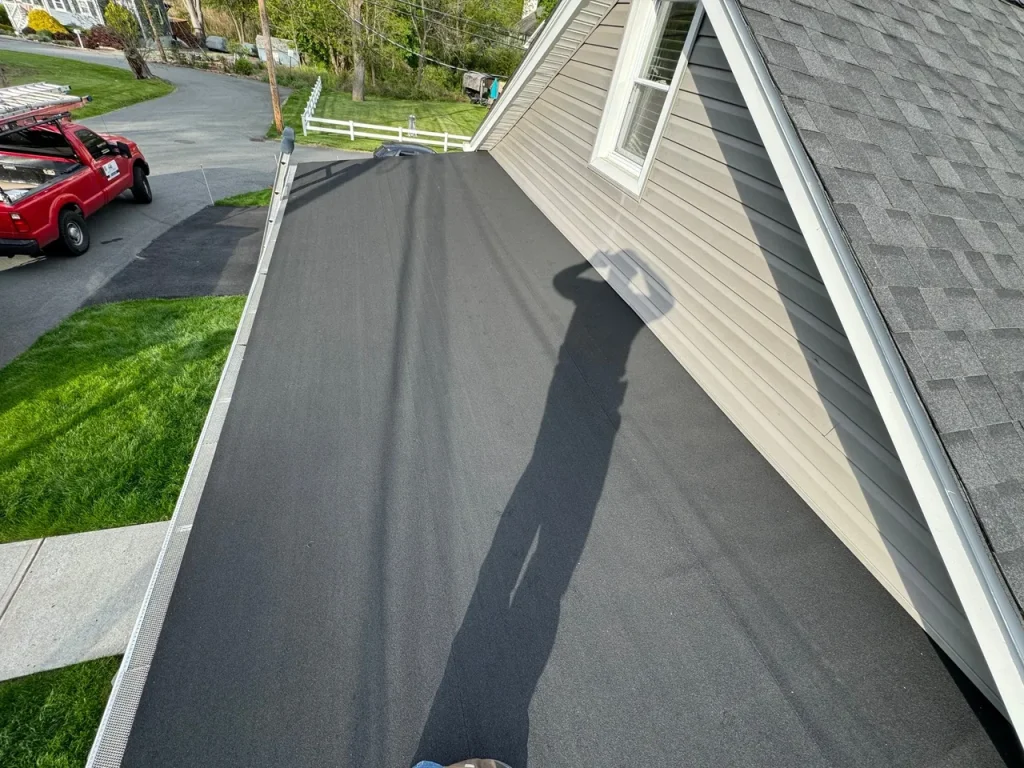
Flat or low slope sections on porches, additions, and garage tie-ins deserve special attention. These areas may have rolled roofing, modified bitumen, or other materials with different repair needs than standard asphalt shingles. A product that works on one section may be wrong for another. This is where roofers with broad field experience stand apart from crews that only know one repair style.
Seasonal warning signs worth taking seriously
Many serious leaks start as minor clues that are easy to dismiss. If you notice any of the following, it is smart to have the roof inspected before the next hard storm:
- water stains on ceilings or high wall corners
- shingles that look curled, cracked, lifted, or darker than surrounding areas
- granules collecting in gutters or near downspouts
- damp attic insulation, musty odors, or visible daylight through the roof deck
- flashing that appears rusted, separated, or loose near chimneys and vents
None of these signs automatically means the whole roof is failing. Sometimes the repair is modest. A vent boot replacement, a flashing correction, or a localized shingle repair can extend roof life significantly when handled promptly. Waiting usually makes the repair area larger and more expensive.
Winter roof repairs are possible, but they require judgment
One of the biggest misconceptions in roofing is that nothing can be repaired in winter. That is not quite true. Emergency Roof Repairs can absolutely be performed in cold weather, and in some cases they must be. If water is entering the home, delaying action until spring is rarely a wise choice.
That said, winter work requires care. Asphalt shingles become more brittle in low temperatures, sealant strips may not activate as readily, and snow or frost can hide damage. A responsible contractor will distinguish between a temporary stabilization, such as tarping or sealing a critical opening, and a full detail repair that may be better completed under improved conditions. Honest communication matters here. Homeowners deserve to know whether the winter fix is intended as a permanent repair or as protection until final work can be completed safely and correctly.
Ice dam response is another winter specialty. Chipping at ice with metal tools can do more harm than good. In many cases, the better immediate response is controlled melt treatment, attic assessment, and leak containment indoors, followed by a proper correction of the roof and ventilation issues that allowed the dam to form in the first place.
Spring and summer are ideal for precision work
When temperatures moderate and the roof surface dries out, diagnostics become easier and repairs can be more exact. This is the best time to address problem flashing, replace damaged sections, and correct workmanship defects that may have survived unnoticed through winter.
Spring inspections often reveal trouble around chimneys where freeze thaw movement has opened gaps. Skylights deserve a close look as well. I have seen many leaks blamed on the skylight glass when the true issue was failed flashing or aged sealant at the curb. Summer adds another layer. Heat can soften shingles enough to allow clean integration of new material, but excessive heat also punishes poorly ventilated attics. If a roof is aging unevenly, the repair conversation should include airflow, not just surface materials.
This is also the season when homeowners can see the value of preventive maintenance. A simple service visit that clears debris, reseals exposed fasteners where appropriate, and addresses early flashing issues can save a household from interior drywall and insulation repairs later. Roofing problems rarely stay confined to the roof.
When a small repair is smarter than replacement, and when it is not
Not every damaged roof needs to be replaced. That is good news for homeowners, because a targeted repair is often far more cost effective when the surrounding system still has useful life left. If the roof is relatively young, the decking is sound, the attic is dry, and the damage is confined to a known area, repair is usually the right call.
The calculation changes when problems appear in clusters. If several roof planes show widespread granule loss, repeated leaks are occurring at multiple penetrations, or the shingles have become brittle across the board, repeated patching may simply delay the inevitable while raising total cost. The same is true when prior repairs have layered incompatible materials over the original system or when hidden deck rot is discovered once shingles are lifted.
A trustworthy assessment will not push replacement where repair makes sense, but it also will not pretend a patch can give an exhausted roof another decade. Practical advice should balance current budget, remaining roof life, and the risks of waiting. Sometimes spending a moderate amount on strategic Roof Repairs buys several solid years. Other times the repair budget is better applied toward replacement planning. The difference lies in condition, not sales pressure.
The importance of matching materials and roof design
A repair that blends physically and performs correctly matters more than one that merely covers a hole. Asphalt shingles come in different thicknesses, profiles, and color blends. If the patch uses the wrong product, it may not seal properly, may stand out visually, or may create water shedding issues at the transition. Experienced roofers pay attention to that.
Flashing metal is another area where shortcuts show up later. Aluminum, galvanized steel, and copper all have different strengths and compatibility considerations. Sealants vary too. Some remain flexible longer, some cure faster, and some should never be relied on as the primary waterproofing method where flashing is the real requirement. Good Roof Repairs are built on mechanical water shedding first, with sealant serving a supporting role where appropriate.
Roof pitch, valley design, exposure to tree cover, and the number of penetrations also influence repair choices. A steep roof under heavy tree shade may suffer more from moss, trapped moisture, and debris buildup than a sunny low tree exposure roof of the same age. One home may need reinforced attention in valleys, another around dormers, another at gutter edges where ice has backed up before. Reliability comes from tailoring the work, not from applying the same patch recipe everywhere.
What homeowners should expect during a professional repair visit
A solid repair appointment begins before a tool touches the roof. The crew or estimator should ask where and when the problem occurs, whether it happens only during wind driven rain, whether snow seems to make it worse, and whether the leak is new or recurring. Those details matter. A leak that appears only during storms from one direction often points toward flashing or wind uplift, while a steady drip during snow melt may suggest ice dam involvement or hidden attic heat loss.
The exterior inspection should include more than the obvious problem spot. Valleys, penetrations, ridge vents, gutters, and adjacent roof planes all deserve a look. When safe and appropriate, attic inspection is extremely useful because it often reveals staining patterns, mold, moisture trails, and ventilation deficiencies the exterior alone cannot show.
The actual repair should leave the area watertight, clean, and integrated with surrounding materials. Homeowners should also receive a straightforward explanation of what was found and whether any nearby areas may need watching in the next year or two. That kind of field note is valuable. It helps families plan rather than react.
Choosing a contractor for Roof Repairs Succasunna NJ homeowners can trust
A repair is only as good as the person diagnosing it. The right contractor does not have to be the cheapest or the one with the most dramatic sales pitch. The right one understands local roofing patterns, explains options clearly, and treats small jobs with the same seriousness as large projects.
Here are a few practical things worth checking before you move ahead:
- ask how the contractor identified the leak source, not just the visible symptom
- request a clear description of materials and repair scope
- make sure the company is insured and comfortable working on your roof type
- look for experience with flashing, valleys, chimneys, and ventilation, not just shingle replacement
- be cautious of anyone promising a miracle fix without inspecting related areas
That last point matters. Some leaks are simple, but many are connected to surrounding details. A contractor who never mentions flashing, attic conditions, drainage, or material compatibility may be focused on speed rather than accuracy.
The hidden cost of postponing repairs
A roof leak almost never gets cheaper by waiting. Even a slow drip can saturate insulation, stain ceilings, soften drywall, and create favorable conditions for mold growth. Wood sheathing does not need standing water to deteriorate. Repeated dampness is enough. Once decking rot develops, a repair that might have involved a handful of shingles can turn into a larger section rebuild.
There is also the issue of energy performance. Wet insulation loses effectiveness. Air leaks around damaged roof penetrations can worsen heating and cooling costs. If moisture enters attic spaces regularly, metal fasteners can corrode and wood framing can remain damp far longer than homeowners realize. These are not dramatic failures at first, which is exactly why they go unaddressed.
I have seen households spend far more repairing interior paint, plaster, trim, and flooring than they would have spent fixing the roof at the first sign of trouble. The roof is the first line of defense. Once it loses control of water, the rest of the home starts paying for it.
Roof repair and curb appeal are more connected than people think
Most people call for Roof Repairs because they want to stop a leak, but appearance matters too. A roof with visible damage can make an otherwise well kept home look neglected. Missing shingles, uneven patches, and bent flashing catch the eye quickly. Careful repair work helps preserve curb appeal, and that has practical value whether you plan to stay for years or sell in the near future.
A thoughtful contractor will try to match color and profile as closely as possible, though exact matching on older roofs is not always realistic. Sun fade, discontinued product lines, and natural weathering can create slight differences. What matters most is that the repair performs properly and looks neat from normal viewing distance. Honest expectations lead to better outcomes than exaggerated promises.
The case for routine inspections after major weather
Succasunna sees enough weather variation that periodic roof checkups make sense, especially after high winds, hail, or a winter with heavy snow accumulation. Not every inspection uncovers serious damage, and that is a good thing. The value lies in catching the manageable issues before they become emergencies.
A post storm inspection often finds things homeowners would never notice from the ground, such as lifted shingle tabs, cracked sealant at flashing joints, loosened ridge caps, or bent drip edge at corners where wind got underneath. These are typically far less expensive to address early. They also provide a chance to verify that gutters are draining correctly and that no tree limbs have scuffed or punctured roofing surfaces.
A roof should be ready for every season, not just the next storm
The phrase “every season” matters because roofs in New Jersey do not fail in one uniform way. Winter reveals insulation and ice problems. Spring uncovers drainage and flashing weaknesses. Summer exposes ventilation and heat stress. Fall tests how well the roof handles leaf debris and the first cold nights. A reliable repair strategy takes all of that into account.
That is why the best Roof Repairs are never random patches. They are informed corrections made with local weather, roof design, and long term performance in mind. For homeowners in Succasunna, that means acting early, demanding a real diagnosis, and choosing repair work that respects the entire roofing system. When that happens, the roof does what it is supposed to do, season after season, quietly and dependably.
Royalty Exteriors
Address: 151 NJ-10 Ste 103A, Succasunna, NJ 07876
Phone number: +19733337234
FAQ About Roof Repairs Succasunna NJ
How much should I pay for roof repairs?
Most homeowners pay an average of $900 to $1,200 for roof repairs, with typical projects ranging from $150 to $3,000+ depending on the severity of the damage.
What are the most common roof repairs?
The most common roof repair is fixing water leaks by replacing damaged, cracked, or missing asphalt shingles and sealing compromised flashing.
Does homeowners insurance pay for roof repairs?
Homeowners insurance pays for roof repairs only if the damage is sudden and accidental, such as from a storm, hail, or a falling tree.